+375 (214) 75-18-18Send a request

Corrosion survey

Cathodic protection survey and adjustment

We check whether the pipeline is protected along its whole length and over time, and adjust the units where needed.

KM 01

What we check at a CP unit

  • The visible condition of the unit.
  • Operating modes: current, voltage, protective potential at the drain point.
  • Spreading resistance of anode and protective groundbeds, and soil resistance.
  • Redundancy: whether protection holds if neighbouring units fail.
KM 02

What the measurements show

Protection criterionOff-potentialOn-potentialCoating defectDistance along the route

Diagram: pipe-to-soil potential along the route. Where the curve rises above the protection criterion, the coating is damaged or protection is insufficient. An illustration, not data from a real asset.

KM 03

Measurements along the route

  • Pipe-to-soil potentials with and without the ohmic component at test posts.
  • Presence or absence of harmful influence from stray currents and high-voltage lines.
  • Pipe-to-casing electrical contact and corrosion protection of the casing.
  • Adjustment of cathodic protection units, and overhaul and adjustment of sacrificial protection to STB GOST R 51164.
KM 04

Qualification

Three specialists hold level II in electrical testing, coating inspection and electrochemical protection. The company holds an INTERGAZCERT certificate for repair and technical diagnostics of corrosion protection systems.
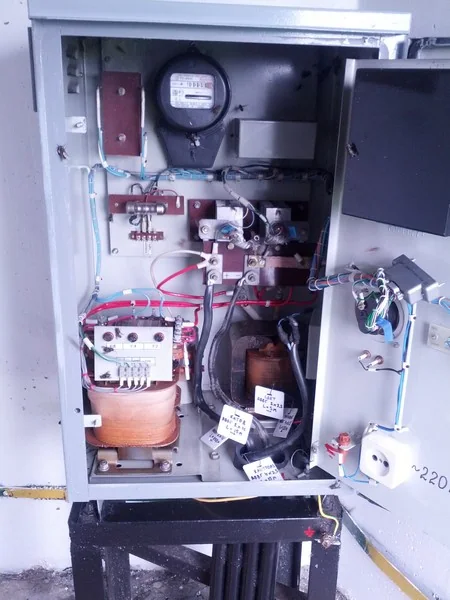
Cathodic protection station
KM 05

Photos from site

Cathodic protection cabinet
Route with test posts
Process site

Company photographs

KM 06

Questions and answers

Why are synchronised interrupters needed?

So that every unit affecting the potential at the measuring point switches off at once. Only then is the off-potential objective.

Do you adjust the units or only measure?

Where needed we adjust cathodic protection units and overhaul and adjust sacrificial protection.

Describe your asset and we will scope the work

Diameter, length, product, commissioning year and earlier survey documents help us answer to the point.